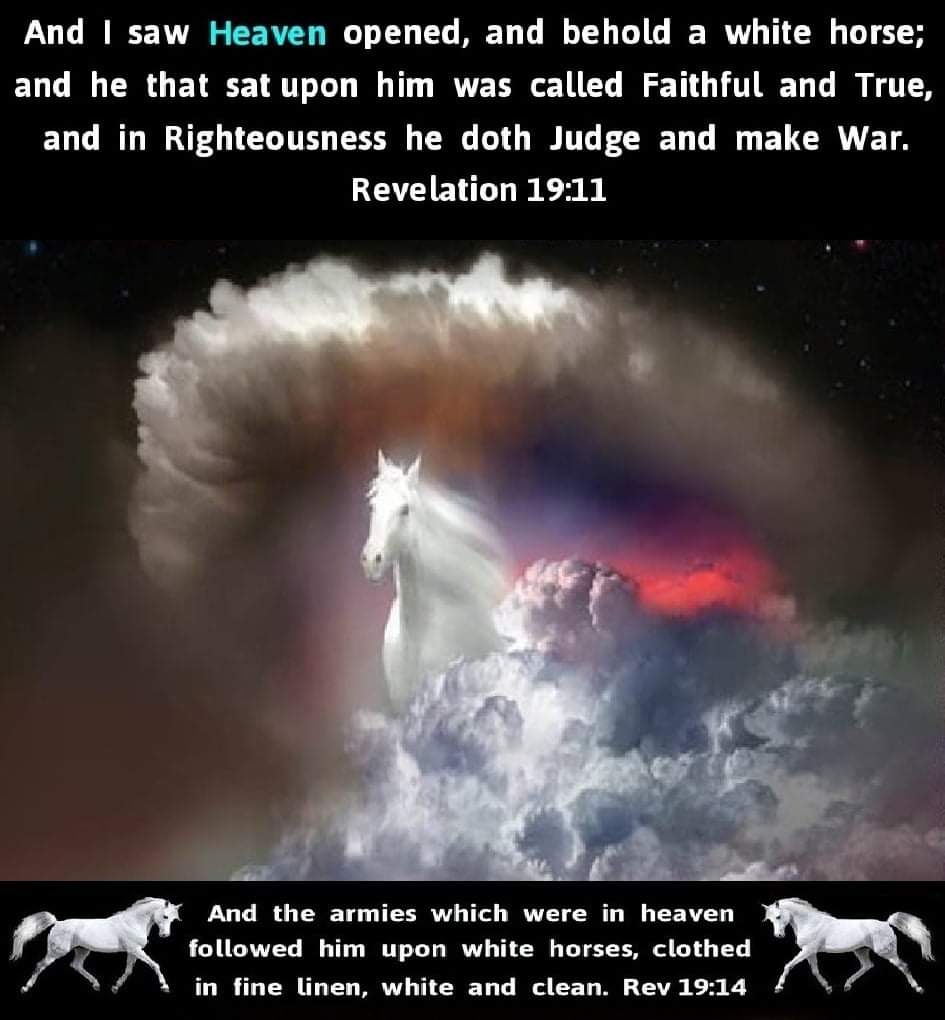
And I saw the beast, and the kings of the earth, and their armies, gathered together to make war against him that sat on the horse, and against his army. Revelation 19:19

While the 4 Horsemen of the Apocalypse are galloping throughout this Material World TODAY, the powerful elites, the Religious and especially the MSM, acting like a 5th Horseman, don’t recognize Bible Prophecy unfolding in Real Time.
The fingers of the divine hand are writing again. The Biblical word “abominations” appears 72 times in the Old Testament, but only twice in the New Testament, both during The Revelation of Jesus Christ from where this article title comes. This Material World still operates by terms and conditions of the Old Testament, with only a small minority of Individuals living by the Grace of Christ Jesus of the New Testament.
Twenty-six centuries ago, in the gilded halls of Babylon, King Belshazzar defied heaven itself. He desecrated sacred vessels, raising stolen temple goblets, along with 1000 of the financial, business and political elites of the kingdom.

From then to now, It’s the Economy, Stupid!
Ancient Babylon, now called Iraq, was the 1st Biblical model of a Military-Economic Superpower, the US being the latest, greatest of them all in Human History.
As the wine blurred his vision and the revelry roared, a spectral hand materialized, etching into the palace plaster a chilling prophecy: MENE, MENE, TEKEL, UPHARSIN—”You have been weighed, measured, and found wanting.” That very night, ancient Babylon, deemed impregnable, fell. Its judgment was swift, a spectacular end for its spiritual prostitution and its abominable violence.
The 2600 year old Prophecy of Daniel 12 resonates in this World TODAY, “it will be a time of distress that never was since a nation existed until that time […] And you, Daniel, close up the words and seal the book until the time of the end; many will run to and fro, and the knowledge will increase.
That ancient prophecy was updated by The Kansas City Times September 13, 1976, publishing this historical Newspaper record, “He came to town for the Republican National Convention and will stay until the election in November TO DO GOD’S BIDDING: To tell the World, from Kansas City, this country has been found wanting and its days are numbered […] He gestured toward a gleaming church dome. “The gold dome is the symbol of BABYLON,” he said.” […] He wanted to bring to the Public’s attention an “idea being put out subtly and deceptively” by the government that we have to get prepared for a War with Russia.”
That 1976 FUTURE is NOW with the Revelation of the details GENERALLY unfolding in the spirit of the letter. The World is waking up to see Americans may hasten “its days are numbered” part of the 1976 Vision, and waits with bated breath.
Knowledge has increased to the point Humans have within their Power, and now at the precipice, to kill us all with A-bombs!
If you listened and analyzed the prognostications of the Presidents and Prime Ministers at the G-7 and the NATO Summit last month, all they see before them is WAR, even if the majority of people don’t want it. They don’t have the courage of President Kennedy, who grasped like no others, how close this World came to WWIII/ARMAGEDDON during the Cuban Missile Crisis of 1962.
Kennedy decided to change US Foreign Policy from confrontation and domination, to a genuine Good Faith Diplomatic way forward to achieve a genuine Peace with the Soviet Russians. To that end, in 1963 said, “Above all, while defending our own vital interests, nuclear powers must avert those confrontations which bring an adversary to a choice of either a humiliating retreat or a nuclear war. To adopt that kind of course in the nuclear age would be evidence only of the bankruptcy of our policy–or of a collective death-wish for the world.”
None of the kings of the Earth who were at the G-7 & NATO have the Profile in Courage of a John Kennedy. He rejected Dr. Strangelove’s math; today’s leaders worship it. He finally got the Spirit of Blessed are the Peace Makers, and called for Genuine Peace. That got him murdered shortly after giving this awesome speech!

Germany’s recent commitment to purchase US-made Patriot Missiles for Ukraine underscores a broader trend: NATO’s escalating arms race, fuelled by US influence. Trump’s public ambivalence toward NATO appears to have been a calculated push, as evidenced by NATO’s increased defence budgets—rising from $1.3 trillion in 2020 to $1.5 trillion in 2024 with a significant portion flowing to US defence contractors like Lockheed Martin and Raytheon
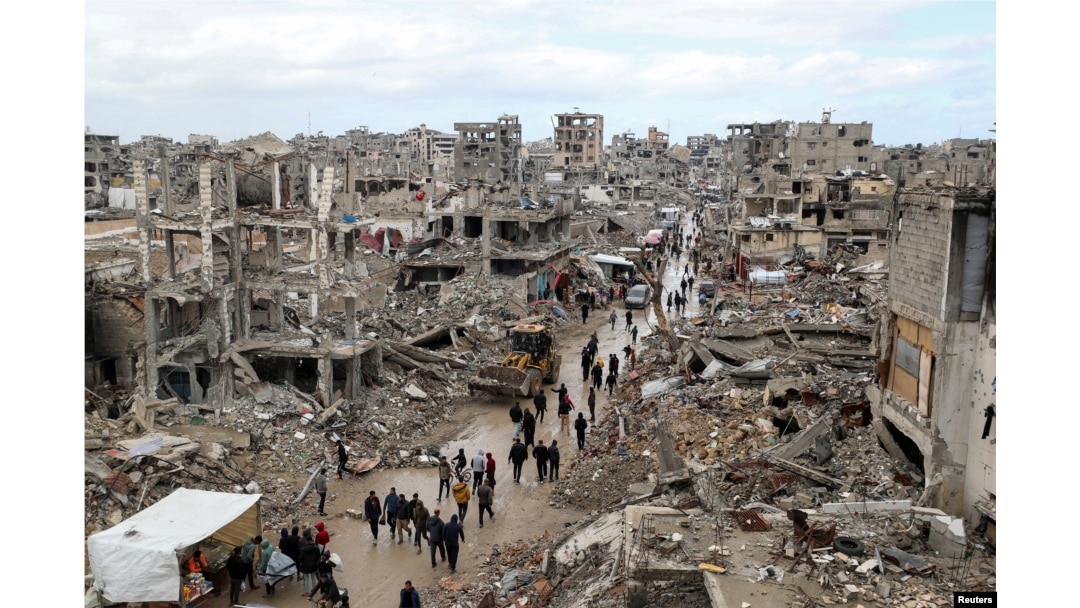
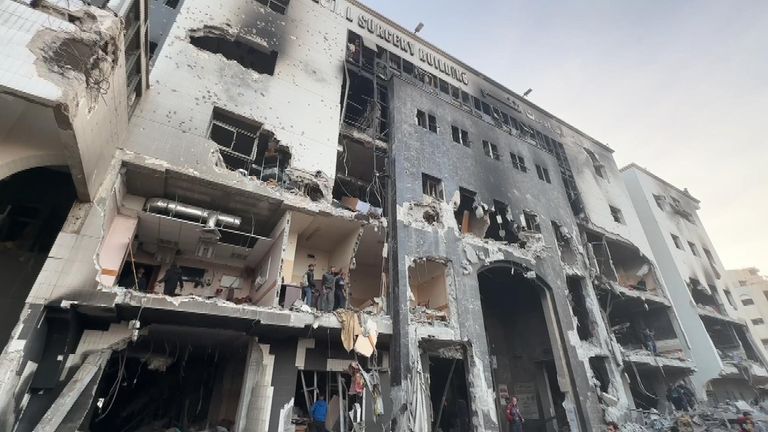
Today, Babylon’s spirit rises anew— The US, more pervasive, more insidious, and far more globally entangled than any empire in history before it. This new Babylon constructs not towering ziggurats, but vast weapons systems that generate unthinkable profits. Its modern high priests don’t chant to Marduk, but to the idols of quarterly earnings reports and the cold calculus of war. We watch, horrified, as Raytheon celebrates $45 billion in profits, its prosperity measured in the burning ruins of Gaza and the mangled bodies of its children.
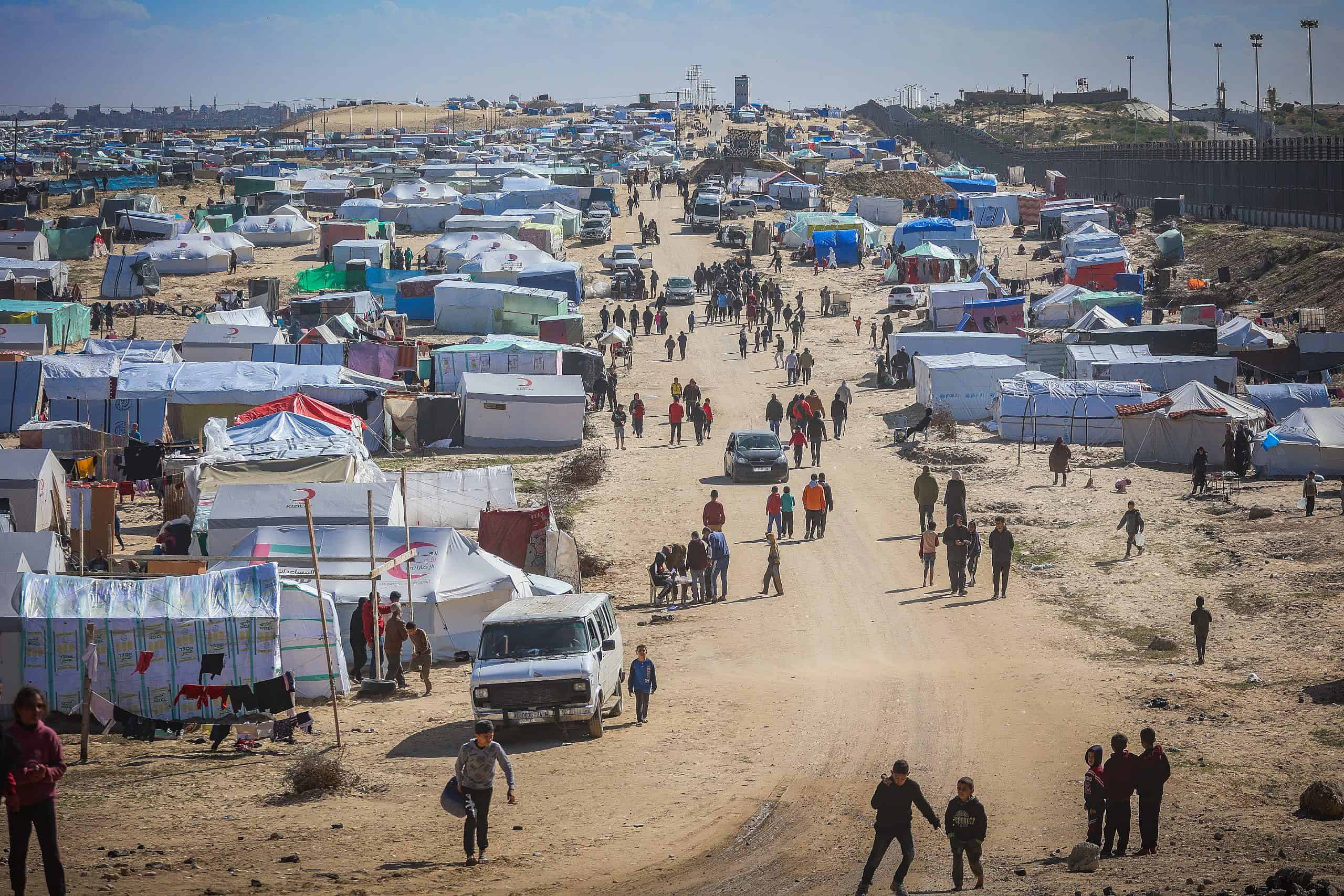
Canada, once a voice for peace, now exports $2.1 billion in arms, fuelling conflicts abroad, while its own citizens shiver and sleep in tents beneath overpasses, while prices are rising for the people at the bottom levels of our Social-Economic Pyramid System, the rich and powerful at the top. Our Universal Health Care System is falling apart and the people would have much more National Security if that $20 BILLION of their money was spent on fixing the Health Care System and resolving homelessness instead of buying US F-35 Jet Fighters in this Nuclear Missile Age.
Across the airwaves, big time televangelists, living the lifestyles of the rich and famous from air-conditioned studios, never citing the words of James 5 in their Bibles, “Go to now, you rich men, weep and howl for your miseries that shall come upon you.
Your riches are corrupted, and your garments are moth-eaten.
Your gold and silver is cankered; and the rust of them shall be a witness against you, and shall eat your flesh as it were fire. You have heaped treasure together for THE LAST DAYS.
Behold, the hire of the labourers who have reaped down your fields, which is of you kept back by fraud, cries: and the cries of them which have reaped are entered into the ears of the Lord Almighty” They bless slaughter from their private jets, their opulent lifestyles sustained by donations from the desperate, who are told to “wait on the Lord” for the very prosperity they are denied.
The United States, Babylon’s undisputed heir, now dictates a “rules-based order” globally, paying tribute—$3.8 billion to Israel, $1.3 billion to Egypt annually—to maintain the Faux Pax Americana, while silencing dissent with chilling precision.
In an article in the Washington Post on the Israeli murderous massacre of defenceless Palestinian women and children in Gaza with 100% US Complicity, this was my comment expressing the rage I feel inside about the test of OUR COMMON HUMANITY:
“Israeli-US Propaganda portray Hamas as a ‘Terrorist Organization” when International Law allows an illegally occupied People to resist the Occupier, in this case, Israel. Hamas’ Military Action October 7 ‘Operation Al Asqa Flood’ named after the Al Asqa Mosque on Temple Mount Israeli Jews want gone, set this World on the Path to ARMAGEDDON in the Middle East where Jewish-Christian-Islamic Bible History started and may end, if people don’t recognize our COMMON HUMANITY in this COMMON ERA of Christ the Jew before it’s too late.
For those who don’t know, ARMAGEDDON = The Battle of that Great Day of God Almighty.
As Americans celebrate their military dominance, the US-Israeli joint strike on Iran in June 2025—an act widely criticized as violating international law (UN Charter, Article 2(4))—has accelerated tensions toward a catastrophic reckoning, hastening the ‘great and terrible Day of the Battle of God Almighty’ foretold in the Revelation.”
This was posted online 11 years ago, and October 7 was the actualizing of the WARNING.
At the same exact instant I pressed ‘Add Comment’ this appeared, “THIS COMMENT HAS BEEN REJECTED FOR VIOLATING OUR GUIDELINES,” censored by the very gatekeepers of public discourse. Yet truth, like water, always finds its way through, exposing the fragile “faux Pax Americana” for what it truly is: a bought peace, unsustainable and morally bankrupt.
What I originally posted was the Bully pulpit way. I consulted DeepSeek AI to rearrange the words, not the passion of it, to pass The Washington Post Filters. The AI Diplomatic way got through finally appearing in the discussion: “The framing of Hamas in mainstream discourse often overlooks key nuances of international law. Under the Geneva Conventions, populations under prolonged occupation retain legal rights to resist—a context frequently absent in coverage of the October 7 events (officially termed ‘Al-Aqsa Flood Operation,’ referencing the holy site at ongoing dispute). The escalating regional tensions—including recent military actions—risk creating an irreversible cycle of violence in this historically sacred land shared by Jewish, Christian, and Islamic traditions. Eleven years ago, I warned that the Temple Mount’s status could become a flashpoint. Today’s polarization suggests we’re nearing a dangerous precipice unless we recenter our shared humanity.
There are alternative paths: The 1979 Camp David Accords proved even bitter enemies can choose negotiation over destruction. That lesson feels urgently relevant today”
Red Flags and the Fiery Reckoning! This is no mere metaphor for corruption; it is prophecy unfolding before our very eyes. September 13, 1976 The Kansas City Times with the picture of me standing before the towering Liberty Memorial, a symbol of national sacrifice, and received a stark, divine warning: “There are 30 months before the fate of the world will be sealed with EITHER Destruction OR the Universal Brotherhood of Man,¨ he said. ¨The 30 month figure concerned a Treaty between Israel and Egypt.¨
NOTE: This does not say Armageddon happens in 30 months from the article.
That prophecy found its temporary, flawed fulfillment exactly 30 months later, on March 26, 1979, with the Camp David Accord. A fragile peace was brokered, yet purchased not by genuine reconciliation, but with American billions funnelled annually as bribes to Egypt and Israel. Forty-five years later, that hollow peace lies shattered. Gaza burns. Ukraine bleeds. Iran signals profound unrest.
Babylon’s debts are due, and the global chessboard shifts towards its inevitable, fiery conclusion. Prime Minister Pierre Trudeau at my insistence in 1978, undertook a Global Peace Mission, sensing a perilous shift in the geopolitical winds when the Americans & Russians were shouting at each other in public, with no Diplomacy. Trudeau was not successful in lowering the temper of those Times. That ended when God moved me to make THE DECLARATION on Remembrance/Veterans Day, November 11, 1985 in the hearing of all the government VIPs, the Ambassadors of the Nations, and the Public.
In the Year of the Lord 2014, Heaven waved two undeniable red flags that were tragically ignored by the very institutions meant to interpret them, the Religious and the News Media. ISIS blew up the Islamic Mosque containing the tomb of Jonah in the whale fame in Nineveh, Iraq to dust—the very city Jonah called to repentance (Jonah 3:5-10) now silenced in ruins. Its profound biblical warning was unheard by mainstream media or the Pope. Simultaneously, and far more covertly, American hands orchestrated the regime change of the Democratically elected Russian friendly in Ukraine, installing an anti-Russian Ukraine government that immediately started shelling the majority Russian speaking Ukrainians closest to Russia, lighting a fuse that now burns towards global confrontation, consuming millions in its inferno.
The great Biblical flood came upon the earth because Humans became too corrupt and violent. As Americans were celebrating their 4th of July, a terrifying 26-foot flood surged through Texas in an hour—a modern echo of Genesis’s ancient deluge—signalling history’s grim patterns. 26 feet: one for each century of Babylon’s shadow. But Isaiah 66:15 warns, “For behold, the Lord shall come with fire, and like a tempest, His chariots, to render His anger with fury, and His rebuke with flames of fire.,” and 2 Peter 3:7 adds, “But the heavens and the earth, which are now, by the same word are kept in store, reserved unto fire against the day of judgment and perdition of ungodly men.” This is no mere flood—this is “A-BOM-i-NATIONS,” the nuclear doom Babylon relentlessly courts, the culmination of its moral and spiritual abominations. Lest we forget, in Trump’s 1st term he threatened “FIRE and FURY like this world has never seen.” This is the form that Judgment, or lack thereof, will take, never possible before our generations.
God’s True Prosperity: The Manna in the Wilderness! While Babylon’s sprawling megachurches auction salvation and blessings to the highest donor, demanding ever more lavish tithes to fuel their opulent empires, my own life stands as an undeniable testament to God’s true, unpurchasable economy. It’s a divine ‘Prosperity Gospel’ not measured in accumulated wealth, but in supernatural provision and unwavering purpose, outside the world’s systems. Not poverty—freedom from the Mother’s milk.”
Consider the miracles that mark this path: After walking away from a lucrative corporate life in Montreal January 31, 1975, the next Day, a dream five-room, fully furnished apartment manifested for an astonishing $69 a month (equivalent to $2300 today)—a provision so perfect it felt as if it had simply fallen from heaven. That February 1, 1975 I unexpected came alive to God, or God came alive in me, which is the fundamental of the Christian Faith. More Signs and wonders came throughout the Day, including a Salvador Dali-like vision of a headless torso, a car on a cliff marked “D” (Death or Divinity?) and a slingshot like David and Goliath—a sign of a world decapitated from divine wisdom. What happened you can read here. I gave up that dream apartment 7 months later, entering the US to discover the Spirit of ’76 hitchhiking through some 45 States. I have traversed Canada coast-to-coast multiple times, hitchhiking from Whitehorse, Yukon, to St. John’s, Newfoundland, protected and provided for like Elijah fed by ravens in the wilderness. For five decades now, this mission—begun when I was 31 and continuing into my 82nd year—has been sustained supernaturally, not by Wall Street’s casino or the machinations of global finance, but by daily manna in the wilderness, by God’s direct and humble hand.
That dream apartment was on Hotel de Ville street in Montreal and after all the travelling, and being self-employed for many years, I came full circle. I lived where I am since 2006 and it took 2 years before I suddenly realized how great God is, saving that dream apartment for me when I needed it, living on Hotel de Ville street in Hull. It’s still a dream apartment being a large, well laid out, 1 bedroom, heated, with a parking space right downtown Ottawa-Hull costing $575/month. What a blessing in these days of insanely high rents living on my Old Age Security of $1900/month to pay for everything.
My 20 year old mattress was getting limp and lumpy 8 years ago and had to be replaced. My pension then was $1700/month, and to pay the monthly rising costs of living in the Free World, and saving is a real challenge, but I managed to save $800. I found a deal and was just about to buy when I got the strong impulse in my Faith, ‘God wanted me to take that $800 and buy as many T-shirts as I could with this on the front

and give them away for free. I was obedient and put down the money for T-shirts, 163 of them. The very next day, my neighbour facing me across the street was moving to another City that Day. Not knowing I needed a mattress, he knocked on my door saying, “Ray, do you need a mattress?” He gave me a nearly new, high end Kingsdown Mattress. Now I wear that T-shirt as my Silent Witness and Testimony whenever I’m in Public.
It’s written, the eye has not seen, nor the ear heard, the things prepared by God for those who love God. In January I received a real special unexpected surprise Blessing. My Sister and Brother-in-Law, both in their 80s gave me as a present, their luxury Chevrolet Impala having only 43,000 kms on it because my Brother-in-Law couldn’t drive anymore for Health reasons. I have many reasons to thank God, and thanksgiving is good for the Soul. There are too many Blessings of God’s Providence I received in my 50 Years of seeking God within me and outside of me, but there are more here, here, here, and here.
These are the living proofs of God’s true Spiritual Prosperity Gospel for the Faithful—not earthly wealth amassed for self, but constant, miraculous provision in humble circumstances; not domination over others, but deliverance from the systems that seek to enslave; not the fleeting fame of a television screen, but the enduring purpose of a divine mission.
The Financial Exodus: Tearing Up Babylon’s Chains: Babylon’s greatest, most insidious lie whispers incessantly: “You need us to live, to prosper, to be secure.” It binds billions in invisible chains of debt and dependency. But history, and urgent prophecy, declares otherwise. Just as Pharaoh’s mighty economy collapsed when the Israelite slaves, deemed indispensable, simply walked out, so too will this modern empire of death unravel.
My own life saw a pre-figurement of this Exodus as early as 1968. As a 24-year-old sales rep for a multinational corporation, my $25,000 salary (worth over $200,000 today) bought a level of prosperity now unimaginable for many. In those days, credit cards were real status symbols, a sign of upward mobility demanding payment in full each month—no insidious minimum payments to trap you in perpetual serfdom. Yet, even then, I saw the coming snare. After three years, I woke to the chilling reality of using one card to pay another, caught in a personal Ponzi scheme that prefigured the debt-addicted nations of today. In a pivotal, prophetic act of liberation, I took scissors and cut them all up.
Today, we must be just as ruthless, just as uncompromising: Tear up the credit cards funding Raytheon’s dividends. Switch banks that profit from genocide. Every subscription cancelled from media giants that censor truth or promote war is a vote for freedom. Every dollar withheld from the machine and redirected to feed your neighbour is a brick pulled from Babylon’s walls. We recognize this Exodus is more challenging for some, particularly for family men with children navigating Babylon’s relentless demands and dependencies. Yet, the Red Sea parts one bill at a time—every conscious choice, no matter how small, is a brick loosened from Babylon’s walls, beginning the journey out of its economic bondage. This is “The Declaration” for a new era, a timeless stand for truth and freedom
Two scriptures now divide history, laying bare the two paths before humanity: On one side, Benjamin Netanyahu the Jew, cites
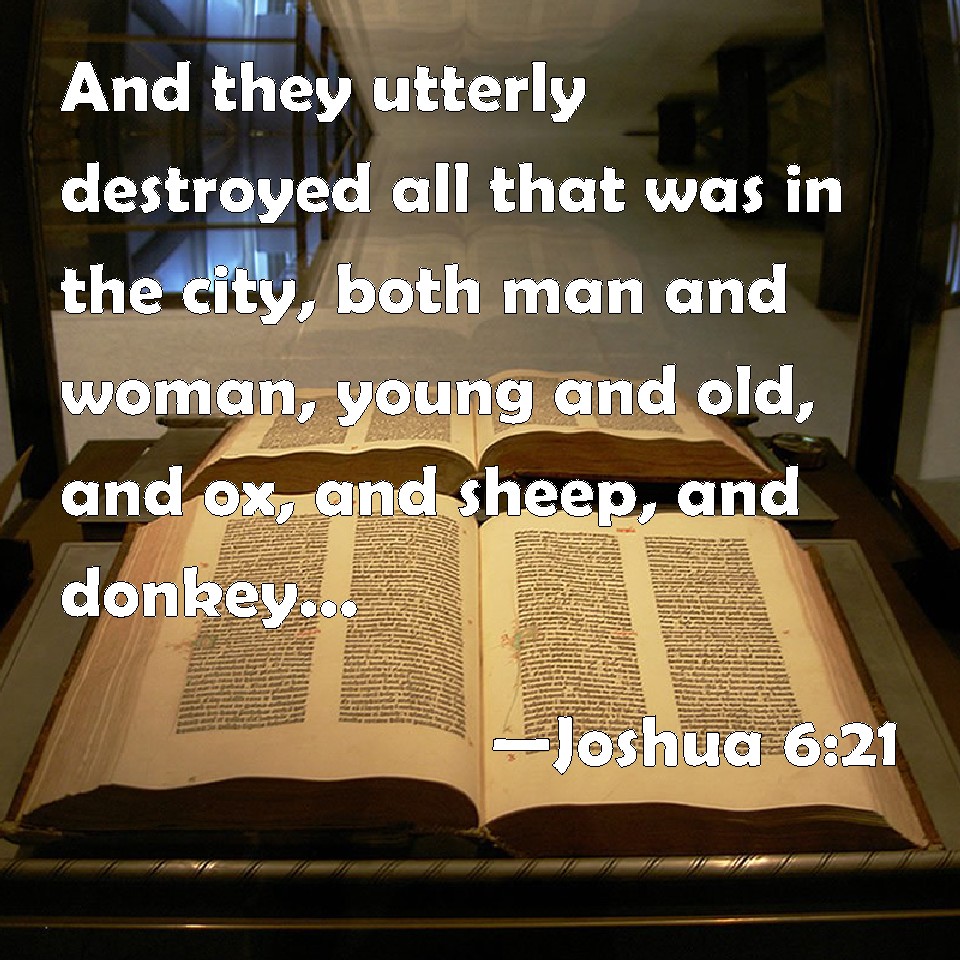
a decree of total war. On the other, Bernie Sanders the Jew cites

a promise of liberation through divine revelation. This is the cosmic choice that reverberates through the ages. The same Hand that etched Belshazzar’s doom onto a palace wall now weighs the Pentagon’s colossal budget, and as Michael Brenner’s profound prophetic insights affirm, the spiritual consequences of such militarized power are inescapable, leading to a judgment of fire. Even AI faces limitations on its access to truth, yet God’s word prevails above all.
In 1975, Heaven ripped open my life like the Temple veil, revealing a divine blueprint. In September 1976, that warning went public when the Kansas City Times published, “There are 30 months before the fate of the world will be sealed with EITHER Destruction OR the Universal Brotherhood of Man.”
In 2025, the fork in the road returns, more urgent and undeniable than ever.
Babylon falls. The Exodus begins. The writing glows on our walls, etched by divine fire, for all with the courage to read it, and with a heart to choose. The Choice: Belshazzar’s Feast or Jesus’ Path to Righteousness.