The Architect of the Indictment: Michel Chossudovsky
The indictment you are about to read comes from one of the most respected—and controversial—voices in international economics. Before you read this synopsis of his landmark 1999 article, know the voice behind this prophetic indictment.
Michel Chossudovsky is not a fringe commentator. He is an award-winning Canadian economist, a Professor Emeritus at the University of Ottawa, and the founder of the Centre for Research on Globalization (Global Research). For decades, his work has bridged rigorous academic analysis and unflinching critique, earning him a global reputation as a clear-eyed investigator into the intersections of finance, war, and power—a “Canada’s Chomsky” for his relentless exposure of corporate hegemony and empire.
His authority is built on a lifetime of documenting economic crises on the ground, across multiple continents. This vast, practical experience gave him the rare foresight to see, in 1999, the precise moment financial deregulation shifted from policy to a weapon of global instability.
The Day the Financial Firewall Fell
The crisis we are about to live through did not begin with a stock market crash. It began twenty-six years ago, with a single, fatal act of deregulation that dismantled the architecture of global finance.
In 1999, as the world celebrated a new millennium, Professor Chossudovsky issued a stark warning. He saw what others ignored: the final assembly of a financial monster—the “Dollar Beast.”

His warning was simple, yet devastating. The catalyst was the Gramm-Leach-Bliley Act, which repealed the 1933 Glass-Steagall Act. In one sentence: it tore down the firewall that for 66 years had kept your federally-insured savings safe from the high-risk casino of Wall Street speculation.
It allowed giant conglomerates to fuse commercial banking, investment brokerage, and insurance, creating “too big to fail” entities that prioritized reckless gambling over public good. Chossudovsky diagnosed this not as an accident, but as the deliberate architecture of a system designed to privatize gains and socialize collapse.
What follows is the distillation of his 1999 prescient analysis—raw, resonant, and ready for the reader without a PhD or Degree in Economics and Finance to understand the salients points of the Professor’s long article.
This is the beginning of the ongoing Economic-Financial crises Worldwide.
The Death of the Firewalls
The central turning point was the 1999 Financial Services Modernization Act (Gramm-Leach-Bliley Act), which revoked the 1933 Glass-Steagall Act. This allowed giant conglomerates like Citigroup and J.P. Morgan to fuse commercial banking, investment brokerage, and insurance. This created a new power structure—“universal banks”—that were “too big to fail” and now prioritized reckless speculation over local investment.
“The ‘global financial supermarket’ is to be overseen by the Wall Street giants; competing banking institutions are to be removed from the financial landscape. State level banks across America will be displaced or bought up, leading to a deadly string of bank failures.”
History’s Warning Ignored
The deregulation was a culmination of decades of financial addiction. Crashes in 1987, 1997, and 1998 were prophetic warnings of volatility and global contagion. Instead of heeding these alarms, leaders proceeded with deregulation, creating a system where the government socialized the losses while private elites privatized the gains.
The Federal Reserve: Lifeline to the Supermarket
The system operates on moral hazard: Wall Street takes private risks, but the public pays for the rescue. The Federal Reserve acts less as a regulator and more as a lifeline, using unlimited bailout facilities and near-zero interest rates to ensure financial control rests with a handful of private financial dynasties.
Exporting the Supermarket: Financial Imperialism
The U.S. financial model was aggressively exported globally through the IMF and World Bank, forcing developing nations into privatization and dependency on speculative capital flows, causing global shock waves, mass layoffs, and poverty spikes.
Conclusion: The Beast System is Fully Operational
Deregulation was not an accident—it was a strategy designed to consolidate unprecedented power into a handful of private U.S. conglomerates. This financial hegemony overrides national sovereignty and subordinates citizens to a Global Financial Rule.
The crisis we are about to live through is the inevitable moment when the debt accumulated by the Beast is forcibly transferred to the citizen. This financial structure demands perpetual crisis and the ultimate sacrifice of national and personal solvency to sustain its architecture.
The US Dollar is not merely a currency; it is the Image of the Beast—the mechanism that enforces this speculative empire, threatening the world with perpetual crisis and eventual collapse.
And call no man your father upon the earth: for one is your Father, which is in heaven. Matthew 23:9
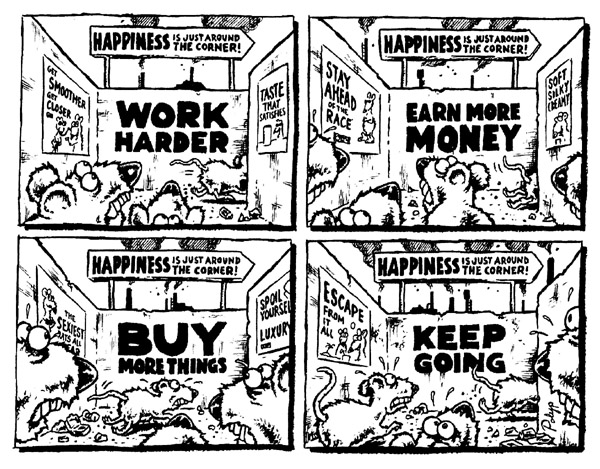
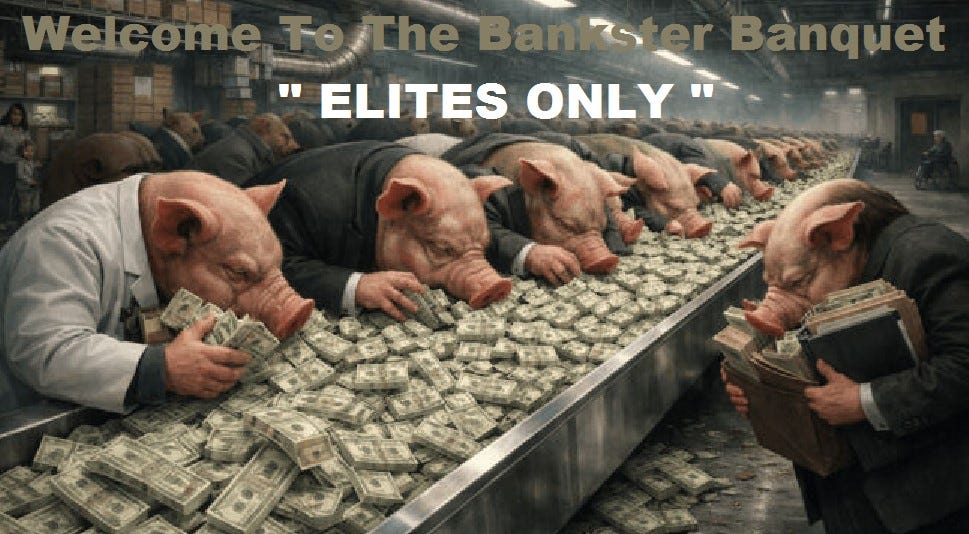
In a world ruled by money, the existence of billionaires is not success, it’s greed —
and a crime against humanity.
WAR PLAN RED – THE TIME THE UNITED STATES WANTED TO INVADE CANADA
